
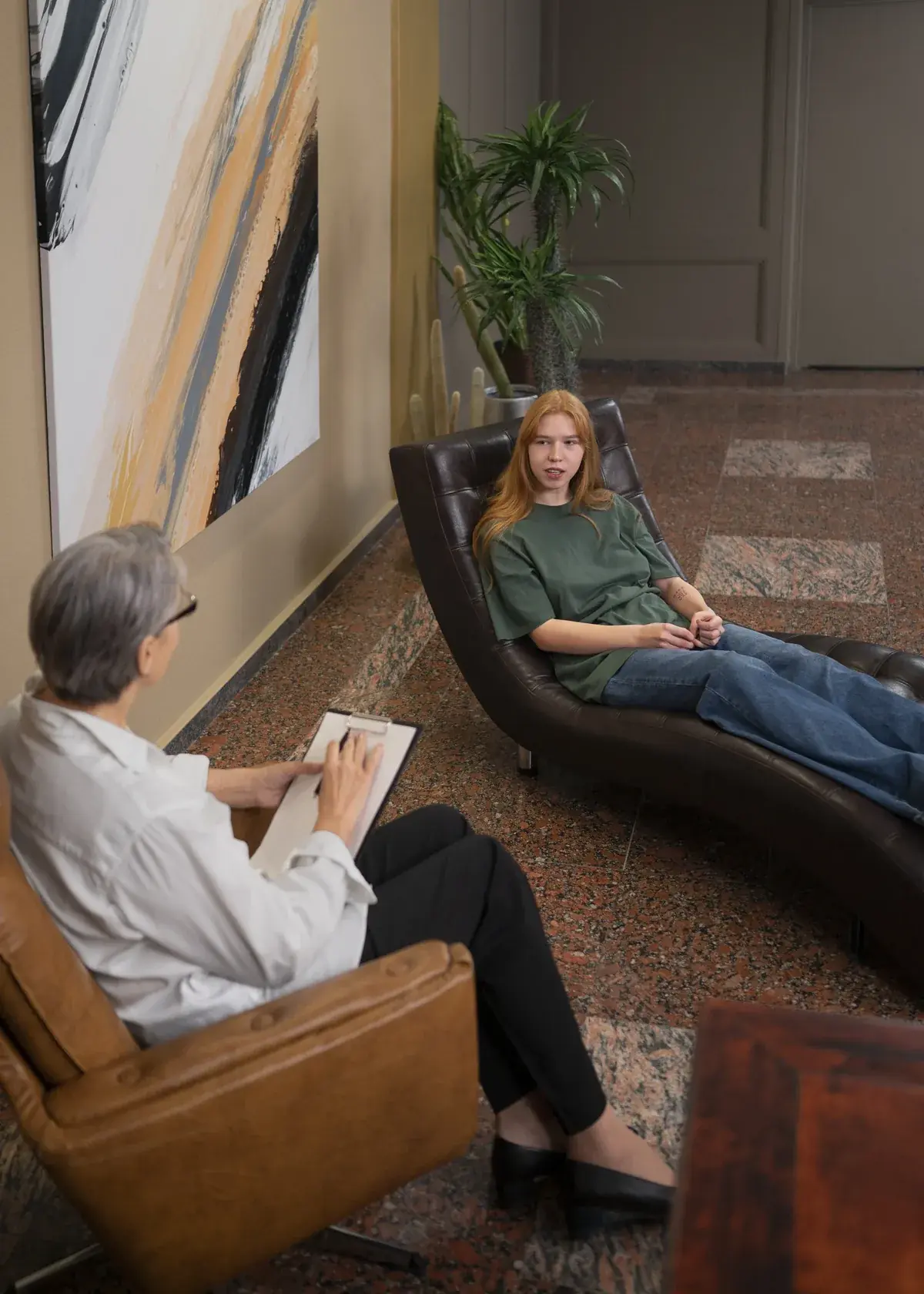
Online Therapy vs In-Person Therapy: What the Research Shows
Evidence-based comparison of efficacy, therapeutic alliance, and outcomes across depression, anxiety, PTSD, and other conditions
Key Takeaways
- Clinical Equivalence: Recent meta-analyses show online and in-person therapy produce negligible differences in outcomes for depression, anxiety, and PTSD
- Depression Efficacy: Both formats achieve effect sizes near 1.00, with internet-delivered CBT showing comparable results to face-to-face therapy
- Anxiety and PTSD: Video-delivered interventions for anxiety and PTSD demonstrate equivalent efficacy to in-person treatment
- Therapeutic Alliance: Quality of the therapeutic relationship (core predictor of success) is achievable in both formats with skilled clinicians
- Attendance & Retention: No significant differences in attendance rates or treatment dropout between online and in-person modalities
- Cost & Access: Online therapy is significantly less expensive and increases access for rural, homebound, and underserved populations
- Individual Variation: Some patients strongly prefer one format over another; preference should be considered alongside clinical indication
Quick Overview: Online vs In-Person Therapy
The debate over online versus in-person therapy has shifted dramatically in recent years, driven by accumulating evidence from rigorous randomized controlled trials (RCTs) and meta-analyses. Where skepticism once dominated, research now demonstrates that video-delivered psychotherapy—when delivered by trained, competent clinicians—produces outcomes comparable to traditional in-person therapy for most conditions, including depression, anxiety, PTSD, and many others.
This guide compares both modalities across research evidence, practical advantages and disadvantages, therapeutic factors, and special circumstances where one format may be clinically preferable.
| Dimension | Online Therapy (Video) | In-Person Therapy |
|---|---|---|
| Overall Efficacy for Depression | Effect size ~1.00 (equivalent to in-person) | Effect size ~1.00 (gold standard) |
| Efficacy for Anxiety | Effect size ~1.00 (equivalent) | Effect size ~1.00 (established) |
| Efficacy for PTSD | Effect size ~1.00 (strong evidence emerging) | Effect size ~1.00 (extensive evidence) |
| Therapeutic Alliance | Achievable with skilled clinicians; patient rapport fully possible | Traditional relationship-building; in-person presence |
| Session Attendance Rate | No significant difference from in-person (some studies show slightly higher) | No significant difference from online |
| Treatment Dropout Rate | Comparable; no significant difference | Comparable; no significant difference |
| Cost | Substantially lower; no transportation or facility overhead costs | Higher; includes facility, clinician time, patient travel |
| Accessibility | Highly accessible for rural, homebound, limited-mobility patients | Requires travel; may be unavailable in underserved areas |
| Flexibility & Scheduling | High; can often accommodate evening/weekend appointments | More limited; dependent on clinic availability |
| Privacy & Confidentiality | Requires secure home/private space; HIPAA-compliant platforms essential | Controlled clinical environment with built-in privacy |
| Non-Verbal Communication | Facial expressions, upper-body language visible; some limitations on full body awareness | Full non-verbal communication including body language, movement |
| Technology Barriers | Requires stable internet, device, basic tech competency | No technology requirements; in-person access only |
What Does the Research Say About Efficacy?
Depression: Evidence of Equivalence
Multiple recent meta-analyses confirm that internet-delivered cognitive behavioral therapy (CBT) is as effective as face-to-face CBT for major depressive disorder. Studies from 2024-2025 demonstrate that therapist-guided remote CBT produces comparable treatment outcomes to traditional in-person delivery, despite substantially lower costs. The effect sizes are robust, approaching 1.00 in most analyses—indicating clinically meaningful improvement.
Both formats show similar response rates (typically 50-60% symptom improvement) and remission rates (30-40% achieving near-complete symptom resolution). The key finding: delivery modality does not significantly predict outcome. Instead, factors like therapist competence, patient engagement, and quality of the therapeutic relationship predict success in both formats.
Anxiety Disorders: Equivalent Outcomes Across Modalities
For generalized anxiety disorder, social anxiety, panic disorder, and specific phobias, video-delivered CBT shows effect sizes nearing 1.00—essentially equivalent to in-person therapy. A 2025 systematic review found "no significant differences between online and face-to-face modalities in terms of treatment efficacy for anxiety disorders" when CBT is the primary intervention.
Anxiety disorders are particularly well-suited to internet delivery because CBT for anxiety relies heavily on cognitive restructuring, psychoeducation, and behavioral assignments—interventions that translate effectively to video format.
PTSD and Trauma: Growing Evidence of Video-Delivered Efficacy
PTSD treatment traditionally relied on in-person trauma processing, exposure therapy, and careful monitoring of distress during sessions. However, recent evidence increasingly supports video-delivered trauma-focused CBT and prolonged exposure therapy as equivalent to in-person treatment. Studies show video delivery of evidence-based PTSD treatments achieves effect sizes near 1.00, with strong patient acceptance and engagement.
The advantage for some trauma survivors: the ability to complete sensitive therapeutic work from a safe, familiar environment (their home)—potentially enhancing comfort during exposure-based interventions.
Other Conditions: Broad Efficacy Evidence
Meta-analyses reveal comparable online and in-person efficacy for:
- Obsessive-compulsive disorder (OCD)
- Panic disorder
- Insomnia and sleep disorders
- Substance use disorders (specific conditions)
- Health anxiety
- Relationship and couples issues
Meta-Analysis Findings on Clinical Equivalence
2024-2025 Key Studies
A comprehensive 2025 meta-analysis examining randomized controlled trials of online versus face-to-face psychotherapy found:
- No superiority of either modality: Analyses across 40+ RCTs showed negligible differences in treatment efficacy
- Heterogeneity by condition: When studies are grouped by treatment target (anxiety, depression, PTSD), effect sizes for all three are near 1.00—indicating substantial, clinically meaningful improvement in both formats
- Attendance and dropout: Most studies revealed no significant differences in attendance rates or treatment attrition, suggesting flexibility in delivery mode without compromising engagement
- Cost-effectiveness: Internet-delivered interventions are substantially less expensive while maintaining equivalent efficacy
The Role of Therapist Competence, Not Format
A critical finding emerging from 2024-2025 research: the quality of the therapist matters far more than the delivery modality. Skilled, attentive, empathic clinicians deliver effective treatment via video. Less engaged clinicians may struggle in either format. The therapeutic alliance—the quality of the patient-therapist relationship—predicts outcomes in both online and in-person settings and is entirely achievable via video with trained clinicians.
Video-to-In-Person Conversion Rates
Some patients begin with online therapy and later transition to in-person, or vice versa. Research shows that patients who switch modalities typically show no deterioration in outcomes—suggesting that the therapeutic gains are portable across formats, provided the clinician and relationship continuity are maintained.
Therapeutic Alliance and Connection
What Is Therapeutic Alliance?
The therapeutic alliance—broadly defined as the mutual trust, collaboration, and emotional bond between therapist and patient—is the single strongest predictor of therapy success across all modalities and conditions. This factor matters more than the specific therapy type, more than the diagnosis, and substantially more than whether therapy occurs online or in-person.
Can Therapeutic Alliance Develop Over Video?
A 2025 study in Frontiers in Psychology found comparable therapeutic alliance ratings between face-to-face and online psychological interventions. Patients felt equally heard, supported, and understood by their therapist whether they met in person or via video.
The mechanisms that build alliance—active listening, empathic reflection, genuine interest, consistent presence, follow-through on treatment plans—translate seamlessly to video. While the therapist is not physically present in the patient's room, they are present and attentive on the screen, creating a relational space where trust can develop.
Non-Verbal Communication: Sufficient for Effective Therapy?
Critics sometimes note that video therapy lacks full non-verbal communication (body language, movement, physical presence). This is true—but it's important to contextualize: therapy's effectiveness rests primarily on vocal and facial non-verbal communication—tone of voice, facial expressions, eye contact—all of which are fully present in video therapy. Eye contact, in fact, can sometimes feel more intimate on video, as both participants are focused on each other's face.
Full-body non-verbal information is less available, but this rarely significantly impacts therapeutic work. Highly trained therapists note that their primary attention in sessions is to facial expression, eye contact, and vocal tone—all visible and audible via video.
Building Connection Across the Screen
Clinicians who excel at online therapy often report that intentional relationship-building—greeting patients warmly, remembering personal details, responding authentically to patient experiences—creates genuine connection via video. The key difference: therapists must be more intentional about relationship-building, as they lack the subtle environmental cues of a physical office.
Pros and Cons: Detailed Comparison Table
| Online Therapy Advantages | Online Therapy Disadvantages |
|---|---|
|
|
| In-Person Therapy Advantages | In-Person Therapy Disadvantages |
|---|---|
|
|
When Is Each Format Better?
Online Therapy Is Often Preferred When:
- Access is limited: You live in a rural area, have limited transportation, or mobility challenges
- Cost is a barrier: You need affordable mental health care and online providers charge less
- You prefer privacy: You're uncomfortable visiting a mental health clinic in your community (stigma concerns)
- Schedule is tight: You work irregular hours, have childcare responsibilities, or travel frequently
- Mild to moderate symptoms: Your condition is stable and doesn't require emergency in-person evaluation
- Comfort is important: You feel safer, more open, or more comfortable working from your own space
- Continuity matters: You may be relocating and want uninterrupted care with the same therapist
- You prefer video: You've had positive experiences with video communication or prefer technology-mediated contact
In-Person Therapy May Be Better When:
- Acute crisis: You're experiencing suicidal thoughts, severe psychiatric symptoms, or need emergency evaluation
- Complex assessment needed: Your condition requires thorough physical examination or medical workup
- Severe illness: You have severe depression, psychosis, or other conditions requiring intensive monitoring
- Children: You're seeking therapy for a young child who benefits from in-person interaction and structure
- Couples therapy: You're in couples/family therapy where dynamic observation of all participants is important
- Technology barriers: You lack reliable internet, device access, or technological comfort
- Privacy unavailable: Your home doesn't provide adequate privacy for confidential conversations
- Established clinician preference: You strongly prefer the in-person therapeutic relationship
Hybrid Approach: Best of Both Worlds
Many patients and therapists find value in a blended approach: regular online sessions with periodic in-person visits. This can combine the access and flexibility of online therapy with the full connection of face-to-face meetings, typically at lower overall cost than purely in-person care.
Special Considerations: Children, Severe Illness, Crisis
Children and Adolescents
Online therapy for children: While video therapy can be effective for adolescents (ages 12+), research suggests younger children (under 12) typically benefit more from in-person therapy, which allows for better behavioral observation, play-based interventions, and structured parent-therapist collaboration. Additionally, parents may need to be more directly involved in sessions with younger children, which works better in a clinical setting.
School-age children and teens: Video therapy can be effective, especially when family dynamics or parental involvement is important. Many teens actually prefer online therapy for convenience and to avoid stigma of visiting a mental health clinic at school or in their community.
Severe Depression, Psychosis, and Acute Illness
Patients experiencing severe depression with suicidal ideation, active psychosis, manic episodes, or acute psychiatric crisis typically require in-person evaluation and monitoring. While telehealth can supplement ongoing care, initial assessment and acute-phase treatment often necessitate in-person evaluation to ensure safety, conduct proper risk assessment, and monitor medical stability.
That said, for patients with chronic, stable severe mental illness (e.g., schizophrenia in remission, bipolar disorder on stable medication), online appointments for ongoing management and therapy can work well, especially for follow-up appointments.
Crisis Situations
Active suicidal ideation, active self-harm urges, severe anxiety attacks, or other mental health emergencies should be addressed via in-person emergency evaluation (emergency room) or crisis line (988 in the US), not initial telehealth video. Once acute crisis is stabilized, telehealth can be part of ongoing care planning.
Medical Complexity
Patients with complex medical histories, multiple medications, or medical conditions affecting mental health may benefit from in-person psychiatric evaluation, which allows for physical examination, medication review with clinical observation, and coordination with primary care.
Substance Use Disorders
For addiction treatment, research supports both online and in-person modalities, though initial assessment and medication initiation (if applicable) often require in-person evaluation. Ongoing recovery support, group therapy, and counseling can be effectively delivered via video.
Frequently Asked Questions
Q: Are online therapists as qualified as in-person therapists?
A: Yes, when credentialed appropriately. A licensed online therapist holds the same professional license (LCSW, LPC, PhD, MD/psychiatrist) as an in-person therapist. Qualifications depend on individual training and experience, not modality. However, not all therapists are equally skilled at online therapy—it requires specific training in video-delivered care. When choosing an online therapist, verify their license, credentials, and experience with telehealth.
Q: Is online therapy covered by insurance?
A: Most major insurers now cover online therapy (telehealth/telepsychiatry) at equivalent rates to in-person care, especially for psychiatry and licensed mental health counseling. However, coverage varies by plan, state, and provider. Check with your insurer about telehealth coverage before your first session. Many providers offer self-pay options as well.
Q: Can my therapist tell I'm not being fully honest over video?
A: Experienced therapists read non-verbal cues—facial expression, tone of voice, hesitation, body tension—just as effectively over video as in-person. Your therapist can see your face, hear your voice, and observe your upper body. That said, therapy effectiveness depends on your willingness to be open, regardless of modality. If you feel uncomfortable with your therapist, in-person or online, discuss it or seek a different provider.
Q: What if my internet connection drops during a session?
A: Most therapists have a plan for technical issues: rescheduling the session, continuing via phone if video fails, or rescheduling with no session fee charged. Choose a provider with a clear policy on technical disruptions. To minimize problems, use a stable internet source (hardwired if possible), close unnecessary apps, ensure adequate bandwidth, and test your setup before sessions.
Q: Is it less professional to do therapy in my home?
A: No. Setting matters less than the quality of work done in it. Many therapists find that patients feel more comfortable, open, and authentic in familiar home environments. The key is finding a private space where you can speak confidentially without interruption. Some patients set up a dedicated corner, adjust lighting, and create a therapeutic atmosphere in their home—which works perfectly well.
Q: Can I switch between online and in-person therapy?
A: Yes. Many patients start online for convenience and later add in-person sessions. Others do the reverse. If your therapist offers both modalities, you can typically switch based on your current needs. Some therapeutic relationships are best continued with the same clinician, even if the format changes.
Q: How do I ensure my privacy during online therapy?
A: Find a private, quiet space where you won't be overheard or interrupted. Use a secure, password-protected device. Choose a HIPAA-compliant video platform (your therapist should specify this). Close doors, use headphones if needed, and let family know not to interrupt. If privacy is impossible at home, some therapies might be better conducted in-person, or you could schedule during times when you're alone.
Q: How long does it take to see results with online therapy?
A: Timeline is similar for online and in-person therapy: typically 4-8 weeks to notice meaningful improvement in symptoms, depending on the condition. Depression and anxiety often improve within 6-12 sessions. More complex issues may take longer. Consistency matters—attending all sessions and actively engaging in homework assignments accelerates improvement in both formats.
Treatment decisions should be made in consultation with a qualified mental health professional or psychiatrist. The research findings presented reflect clinical trial data and may not predict individual outcomes. Results vary widely by person.
If you are experiencing a mental health crisis, please contact emergency services, call the 988 Suicide and Crisis Lifeline (call or text 988), or go to your nearest emergency room immediately.
References and Further Reading
- Rafieifar, M., Schmidt Hanbidge, A., Braun, S.L., Lorenzini, M.J., & Macgowan, M. (2025). Comparative efficacy of online vs. face-to-face group interventions: A systematic review. Social Work with Groups, 48(1). https://journals.sagepub.com/doi/10.1177/10497315241236966
- Berger, T., Krieger, T., Sude, K., Meyer, B., & Schmitz, B. (2019). Live psychotherapy by video versus in-person: A meta-analysis of efficacy and its relationship to types and targets of treatment. Journal of Medical Internet Research, 21(10). PubMed: https://pubmed.ncbi.nlm.nih.gov/33826190/
- Fleming, C., Shute, R., Romaniuk, H., & Cunningham, T. (2025). Interactive Journal of Medical Research - Comparing digital versus face-to-face delivery of systemic psychotherapy interventions: Systematic review and meta-analysis of randomized controlled trials. https://www.i-jmr.org/2025/1/e46441
- Frontiers in Psychology. (2025). Effectiveness and therapeutic alliance between face-to-face and online psychological interventions. A longitudinal study. https://www.frontiersin.org/journals/psychology/articles/10.3389/fpsyg.2025.1624438/full
- The Lancet Psychiatry. (2024). Efficacy and effectiveness of therapist-guided internet versus face-to-face cognitive behavioural therapy for depression via counterfactual inference using naturalistic registers and machine learning in Finland: A retrospective cohort study. https://www.thelancet.com/journals/lanpsy/article/PIIS2215-0366(24)00404-8/abstract
- Frontiers in Psychiatry. (2023). Comparison of online and in-person cognitive behavioral therapy in individuals diagnosed with major depressive disorder: A non-randomized controlled trial. https://www.frontiersin.org/journals/psychiatry/articles/10.3389/fpsyt.2023.1113956/full
Ready to Explore Online Therapy or Psychiatric Care?
At KwikPsych, we provide comprehensive telepsychiatry services—combining the flexibility of online care with clinical expertise. Whether you're seeking medication management, psychiatric evaluation, or therapy coordination, our team is available via secure video conferencing.
Dr. Monika Thangada, M.D., Board-Certified MD Psychiatrist, specializes in online psychiatric care for depression, anxiety, PTSD, and other conditions. She works with each patient to develop a personalized treatment plan, whether that includes medication, therapy coordination, or both.
Location: 12335 Hymeadow Dr, Suite 450, Austin, TX 78750
Phone: 737-367-1230
Telehealth Available: Full video-based psychiatric services throughout Texas
Initial Evaluation: $299 | Follow-up Visits: $179
Insurance Accepted: Aetna, BCBS, Cigna, UnitedHealthcare, Superior/Ambetter, Baylor Scott & White, Oscar, First Health, Optum, Medicare, and Self-Pay options.