
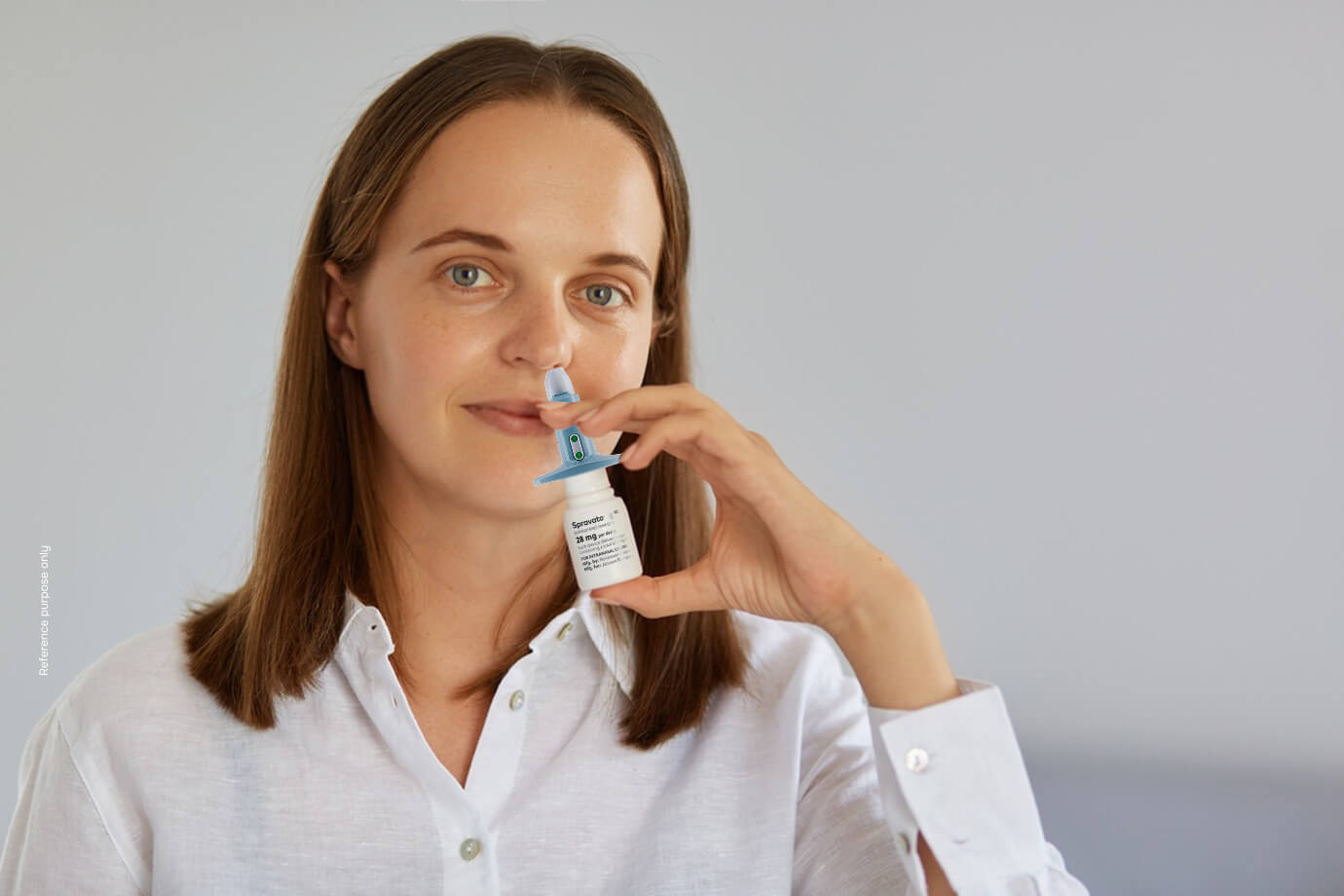
Key Takeaways
- If you’re searching for esketamine treatment near me, focus on safety: medical screening, monitored visits, and a plan for follow-up care.
- Ketamine is an NMDA receptor antagonist that may reduce depression symptoms quickly for some people (sometimes within hours), but it’s usually not a “one-and-done” solution.
- When ketamine helps, benefits can be rapid yet short-lived (often lasting days), so a longer-term treatment plan still matters.
- Not everyone is a candidate. A careful history (including medical conditions and symptoms of psychosis) is an important part of safe care.
- An esketamine doctor visit should feel thorough, collaborative, and grounded in your goals — not rushed.
- If you’re considering esketamine treatment at KwikPsych, this article includes myths vs facts and a practical checklist to help you prepare for next steps.
When depression hangs on — despite doing “all the right things” — it can start to feel personal. It’s not. Depression is a medical condition, and sometimes it takes more than one approach to find real relief.
Ketamine-based care (including ketamine infusions and esketamine-style options) is one of several advanced treatments being discussed more often for hard-to-treat depression. The idea of feeling better quickly can sound hopeful — and also confusing.
Below, we’ll break down what ketamine is, how it may help, what to expect, common myths vs facts, and a checklist of questions that can help you make a safer, more confident decision.
What Is Ketamine (and Why Is It Used for Depression)?
Ketamine has long been used in medicine for anesthesia and pain-related care. In psychiatry, it has also been explored for people with depression that hasn’t improved enough with standard treatments.
From a brain-chemistry standpoint, ketamine works differently than most traditional antidepressants. It blocks NMDA receptors (a type of glutamate receptor), which may lead to downstream glutamate signaling and increased activity at AMPA receptors. One theory is that this cascade supports synaptic changes linked with antidepressant effects at low (subanesthetic) doses.
How Ketamine May Help — and What Its Limits Are
One reason ketamine has drawn attention is speed. For treatment-resistant depression, antidepressant effects can occur within hours for some people.
At the same time, it’s important to be realistic: when ketamine works, effects may be transient — sometimes lasting only a few days after an infusion. That’s why many treatment plans emphasize monitoring, repeat sessions when appropriate, and pairing ketamine-based care with longer-term supports (like therapy and/or medication optimization).
Rapid relief can be meaningful — but the bigger goal is sustained recovery. The safest plans treat ketamine as one part of a larger, personalized strategy.
Evidence-based psychotherapy also remains a core option for many people with depression. Approaches like cognitive behavioral therapy (CBT) and interpersonal psychotherapy (IPT) are widely recognized as effective treatments and may be used alongside medication-based strategies.
Ketamine vs. Esketamine: What’s the Difference?
“Ketamine” is sometimes used as an umbrella term in everyday conversation, but there are important distinctions. Ketamine is a medication that can be delivered in different ways depending on a clinician’s protocol and a patient’s needs. “Esketamine” generally refers to a specific part (an “enantiomer”) of ketamine.
In clinical discussions, (S)-ketamine (often called esketamine) has been described as potentially more potent and, in some contexts, may have fewer side effects when used intravenously compared with the racemic mixture — though specifics depend on formulation, dosing, and the setting.
Bottom line: the “best” option is the one that matches your symptoms, history, medical safety needs, and practical realities — and that comes from a careful evaluation, not a trend.
Who Might Be a Candidate (and Who Should Be Cautious)?
Ketamine-based care is most often discussed for people whose depression hasn’t improved enough after trying multiple evidence-based treatments. It’s not typically a first step.
Situations where extra caution is important
- Medical conditions where increases in blood pressure could be hazardous
- A history of schizophrenia or another psychotic disorder
- Conditions where increased intraocular pressure could be hazardous
- A known allergy to ketamine
Checklist: What to bring (and what to ask) at your consult
- A complete list of current medications and supplements
- Your past treatment history (what you tried, what helped, what didn’t)
- Any history of mania/hypomania, psychosis, or substance-related concerns
- Questions about monitoring, side effects, and how follow-up care works
- A plan for transportation (many clinics recommend you don’t drive after monitored treatments)
What to Expect From Ketamine-Based Care
While protocols vary, most medically supervised ketamine-based visits include: a pre-treatment evaluation, a review of risks and benefits, vital sign monitoring, and a recovery period before you leave.
Side effects can happen, and they’re part of why supervision matters. Ketamine can cause sedation, and at higher (anesthesia-range) doses it can be associated with experiences like disorientation, vivid dreams, or hallucination-like symptoms; these effects are described as uncommon with very low-dose therapy.
Clinicians also watch for physical effects such as blood pressure or heart-rate changes, and they may ask about urinary symptoms (frequency, urgency, pain with urination) if treatments are repeated.
Myths vs. Facts About Ketamine for Depression
- Myth: “Ketamine works instantly for everyone.” Fact: Some people may feel improvement within hours, but responses vary and the effect may be temporary.
- Myth: “If it helps once, you’re cured.” Fact: When ketamine works, benefits may last only days, so a longer-term plan is still important.
- Myth: “It’s basically the same as recreational use.” Fact: Medical care emphasizes screening, controlled dosing, monitoring, and follow-up to reduce risks.
- Myth: “You will definitely hallucinate.” Fact: Distressing perceptual effects are more associated with higher doses and are described as uncommon with very low-dose approaches.
- Myth: “It’s safe for anyone.” Fact: Certain medical and psychiatric histories require extra caution or may rule it out.
When to Consider Professional Help
If depression is affecting your ability to function, connect with others, or care for yourself, you don’t have to wait until you hit a breaking point to seek support.
- Symptoms are lasting weeks and interfering with work, relationships, or daily responsibilities
- You’ve tried treatment before, but you’re not getting enough relief
- You’re withdrawing, feeling hopeless, or struggling to stay safe
How KwikPsych Can Help
At KwikPsych, we take depression seriously — including the frustration and fatigue that can come from trying treatment after treatment. If you’re exploring advanced options like esketamine treatment at KwikPsych, we’ll start with a thoughtful evaluation and help you understand what fits your needs and what doesn’t.
- Advanced Depression Treatment — learn about treatment pathways and next-step options via Advanced Depression Treatment
- Care Planning — we can coordinate with your existing therapist or help you identify therapy options that complement medication-based care
- Getting Started — Request an appointment and tell us what you’ve tried so far
- Questions Welcome — reach out any time via contact us or learn more about Dr. Monika Thangada
All services are available in-person at our Austin clinic or via secure telehealth across Texas.
Note: treatments that require in-office monitoring are provided in clinic.
Frequently Asked Questions
Here are answers to common questions people ask when they’re researching ketamine-based options for depression.
How fast can ketamine work for depression?
In treatment-resistant depression, ketamine’s antidepressant effects can occur within hours for some people. That said, response is individual, and quick improvement doesn’t automatically mean symptoms will stay improved. When ketamine helps, effects may be short-lived (often days), which is why many treatment plans emphasize follow-up care and longer-term strategies rather than relying on a single session.
Is ketamine a cure for depression?
No treatment is a guaranteed cure, and ketamine is not typically viewed as a stand-alone solution. Even when ketamine reduces symptoms quickly, the effect may be transient. A safer, more sustainable approach usually includes ongoing clinical monitoring and a plan that can include psychotherapy, medication adjustments, sleep/routine support, and relapse-prevention strategies.
What does esketamine treatment near me usually mean?
Usually, it means you’re looking for a local clinic that offers ketamine-related care in a medically supervised setting. As you compare options, ask about screening (medical and psychiatric), what monitoring happens during visits, how side effects are handled, and what the follow-up plan looks like if you do (or don’t) respond. If a clinic promises guaranteed results or skips a thorough evaluation, that’s a red flag.
What should I ask an esketamine doctor before starting?
Helpful questions include: What makes me a reasonable candidate? What medical conditions or diagnoses would make this unsafe? What side effects should I watch for, and what is the plan if they happen? How will we measure progress? And what is the plan for maintaining improvement if I respond? A good visit should also review histories that require extra caution (for example, psychotic disorders or medical concerns related to blood pressure).
Do you offer esketamine treatment at KwikPsych?
KwikPsych offers advanced depression care pathways, and we can help you understand whether ketamine-based options may be appropriate for your situation and how they fit alongside other evidence-based treatments. To start, you can Request an appointment or reach out via contact us. We’ll review what you’ve tried, what symptoms are most urgent, and what safety factors need to be considered before any next step.
What are common side effects or safety concerns?
Side effects vary, but can include sedation and, at higher doses, disorientation or vivid dreamlike experiences; these effects are described as uncommon with very low-dose approaches. Clinicians also consider medical safety factors such as conditions where increases in blood pressure would be hazardous and certain psychiatric histories (including psychotic disorders). With repeated use, urinary symptoms have also been reported, which is another reason monitoring and follow-up matter.
Conclusion
Ketamine-based treatments can be an important option for some people with depression — especially when standard approaches haven’t helped enough. But the safest path is informed, monitored, and personalized: clear expectations, careful screening, and a plan that supports long-term recovery.
If you or someone you care about is struggling, KwikPsych is here to help. Request an appointment or call 737-367-1230 to get started.
References
- Stahl SM. Stahl’s Essential Psychopharmacology Prescriber’s Guide. 6th ed. Cambridge University Press; 2017. Ketamine monograph.
- American Psychological Association. APA Handbook of Psychotherapy. Evidence-based treatments for depression (CBT, IPT) overview.
- KwikPsych Clinic Knowledge Sources (internal): FAQ Addendum — clinic FAQ guidance.